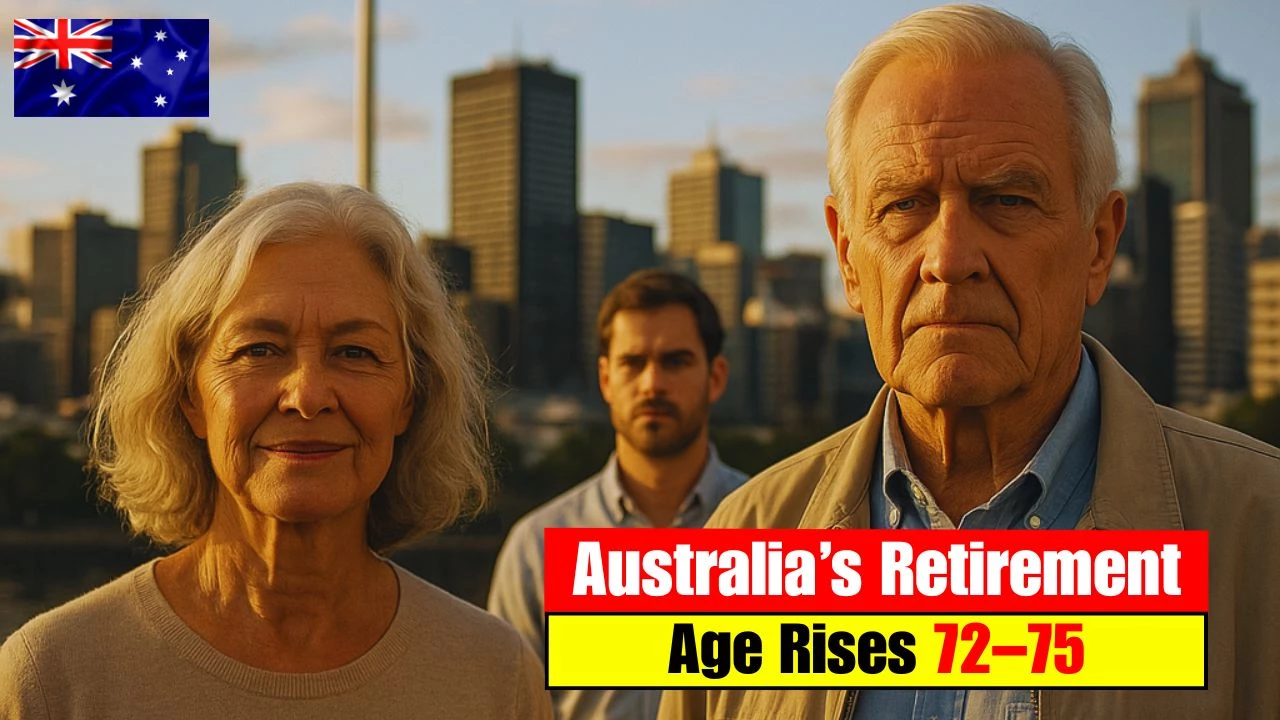
Australia’s Retirement Age Shift Toward 72–75 — Who Benefits First and Who Will Be Forced to Wait Longer
As Australia considers increasing the retirement age to between 72 and 75, the emotional toll on individual lives has become apparent. For Joan Mitchell, a 61-year-old school teacher from Melbourne, the thought of working an additional few years stirs anxiety. “I’ve dreamt of retirement as a time to relax and explore the world,” she says. “But now, that seems further away than ever.” Her case exemplifies the growing concerns among many Australians regarding this potential change in policy.
This shift arises from several pressing factors. Australia is witnessing an increase in life expectancy, leading to heightened financial pressure on the pension system. In essence, the government is pushing this change to stabilize the Age Pension system while encouraging longer workforce participation, particularly among healthier individuals. However, the consequences of these adjustments will vary significantly across different demographics.
- Target Age Group: The proposed age shift primarily affects young to middle-aged workers, especially those in their 30s to 50s.
- Adjustment Period: Individuals nearing retirement (60+) may experience gradual changes, requiring adaptation rather than abrupt shifts.
- Pension Eligibility: Increased eligibility will encourage continuous work opportunities but may burden industries like construction where physical demands are greater.
- Financial Planning: Younger Australians will face challenges in planning their financial futures, as they may need to adjust contributions to superannuation to match the extended working years.
Joan is not alone in her concerns. Many workers in the 50 to 59 age bracket, like Paul Roberts, a 57-year-old construction worker from Brisbane, worry about their capacity to meet extended requirements. “My body is not designed for construction forever. I worry I won’t be in shape to work when the new age comes,” he explains.
At a recent press conference, Minister for Social Services David Collins addressed the nation, stating, “This is not simply about extending the age of retirement. It’s about ensuring that we have a sustainable system for generations to come. We need to encourage healthier living and longer participation in the workforce.”
| Age Group | Impact Level |
|---|---|
| 60+ Years | Minimal delay in pension age |
| 50–59 Years | Moderate delay expected |
| 40–49 Years | Higher likelihood of full shift toward 72–75 |
| 30–39 Years | Very high impact; major planning required |
| Low-Income Workers | Support programs may help offset delays |
A significant part of this conversation involves addressing the needs of those in physically demanding jobs. As workforce participation rates for older age groups rise, support programs are crucial for ensuring that those whose bodies cannot sustain such labor are not left behind. For individuals like Paul, reassurances about support options may bring some peace of mind.
Financial experts emphasize the importance of early financial planning, especially for Australians in younger age brackets. “The longer retirement age requires individuals to reassess their savings strategies,” says Emily Hayes, a certified financial planner based in Sydney. “It may be wise to begin retirement planning as early as possible to cope with the extended years ahead.” This perspective resonates strongly as workers evaluate their superannuation contributions.
As Australians mull over these changes, the impact of increased retirement age will ripple across the economy. Younger workers, particularly those facing financial uncertainties and shifting job markets, must adapt. The government is preparing guidance and resources to support Australians, aiming for smoother transitions and a more flexible work approach.
The roadmap to retirement is undeniably evolving, and with the adjustments may come renewed hope. While it may seem daunting to navigate the transition, proactive financial planning and support will likely empower many Australians to approach retirement with confidence. As Joan reflects on her potential future, she expresses, “If this helps create a stronger system and allows younger generations even a chance at a secure retirement, I suppose I can find a way to make it work.”
As this discussion unfolds, one thing is evident: Australians are preparing for the challenges of the future while hoping to create pathways for a secure, sustainable retirement.












Leave a Comment