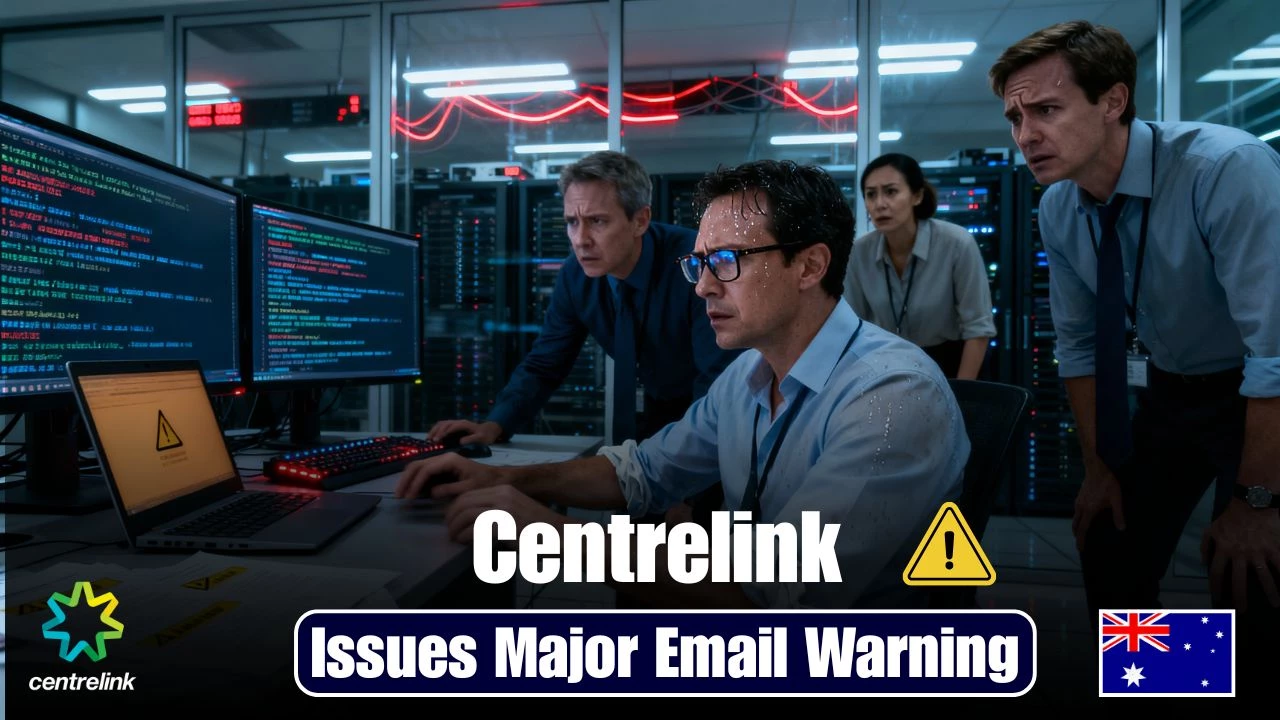
Centrelink Issues Urgent Warning – The Australian government has issued an urgent national warning after nearly 270,000 Australians were targeted in a major email scam linked to Centrelink, Medicare, superannuation accounts, and tax benefits. Authorities report a sharp rise in highly sophisticated phishing messages designed to steal personal information and access government-linked financial accounts. This alert highlights the growing risk to everyday Australians as scammers increasingly exploit government program names to lure victims. The warning urges people to stay vigilant, verify all messages, and avoid clicking suspicious links claiming to offer refunds, benefits, or account updates.
Background / Why it’s happening
The surge in email scams reflects a troubling trend as cybercriminals become more adept at exploiting the public’s trust in official communications. Such scams often impersonate legitimate agencies like Centrelink and Medicare, preying on individuals’ anxieties around financial matters, especially during tax season. Scammers craft messages that appear official, creating a façade that is difficult to spot without careful inspection.
What’s new / Key changes
- Close to 270,000 Australians have been identified as potential targets of the email scam.
- Scammers are using increasingly sophisticated techniques that mimic official correspondence.
- Authorities call for heightened awareness and verification of any unexpected messages.
Human angle / real stories
Emily Roberts, a single mother from Brisbane, received one of these phishing emails. “I thought it was a notification from Centrelink regarding my benefits. The email looked exactly like the official ones I’ve received before,” she said. Fortunately, she hesitated and chose to verify the message through myGov, thus avoiding a potential scam.
Official statements
Centrelink spokesperson Tim Grant emphasized the importance of public vigilance. “We remind Australians to be cautious and aware of unsolicited emails. Always verify through secured channels before taking any action.” Grant’s message also highlighted that legitimate organizations will never request personal information through unsecured emails.
Expert analysis / data insight
Cybersecurity expert Dr. Sarah Mills notes, “The scale and sophistication of these scams are alarming. Phishing attacks are becoming more personalized and can easily deceive even the most cautious individuals. Protecting personal information online is crucial.” Statistics indicate a 40% increase in such scams from the previous year, reinforcing Dr. Mills’ concerns about the evolving strategies of cybercriminals.
| Scam Type | Common Message Claim |
|---|---|
| Centrelink Email Scam | “Your payment is on hold — verify now.” |
| Medicare Fraud Email | “Your Medicare card has expired — update details.” |
| Superannuation Scam | “Unusual activity detected in your super account.” |
| Tax Refund Scam | “You are eligible for a tax refund — click to claim.” |
| myGov Phishing Link | “Secure your account before it is suspended.” |
Impact / What readers should do
For many Australians, these scams pose a legitimate threat to financial security and peace of mind. Experts recommend that individuals review their online security practices: always confirm the sender’s identity before clicking links, use two-factor authentication where possible, and keep personal information secure. Reporting suspicious emails to Scamwatch can help authorities combat this growing issue.
The takeaway – calm, hopeful, responsible ending
As the situation unfolds, maintaining awareness and skepticism is key to safeguarding personal information. Despite the alarming rise in scams, informed Australians can protect themselves. Centrelink and cybersecurity authorities are committed to reducing these threats, but they rely on public cooperation. By staying informed and vigilant, individuals can reduce their risk and contribute to a safer online environment for all.









Leave a Comment