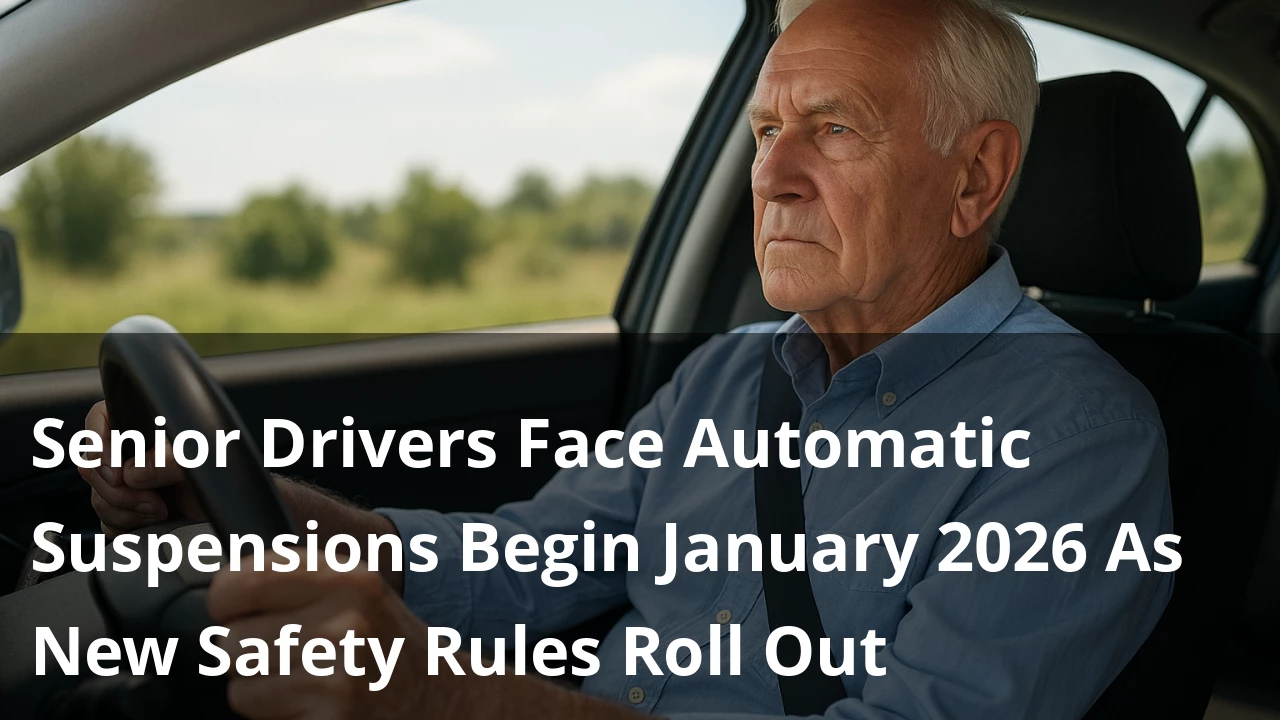
New Zealand is rolling out one of its biggest overhauls to senior driving rules in years, and the changes arriving on January 1, 2026 will affect every driver aged 65 and older. Under the new rules, any senior who fails to complete their licence renewal requirements by the deadline will face an automatic suspension. The goal is to improve road safety, streamline medical fitness assessments and reduce delays across the licensing system.
If you or someone you care about is reaching the renewal age next year, understanding these changes ahead of time is essential. The new framework shifts the responsibility onto drivers to stay compliant, and penalties for missing deadlines will be applied instantly.
This detailed guide walks you through everything you need to know before the new rules take effect.
Why New Zealand Is Updating Senior Licence Requirements
New Zealand’s older population is growing quickly, and so is the number of senior drivers on the road. According to national data, drivers over 65 now represent one of the fastest-growing age groups behind the wheel.
The government has stated that the new rules are designed to tackle three concerns:
1. Maintaining Road Safety
While many seniors drive safely for decades, age-related conditions such as slower reaction times, reduced vision and medical complications can increase risk over time. The new system places more emphasis on regular medical checks to identify safety risks earlier.
2. Reducing Pressure on Medical Examiners
The old model relied heavily on GPs scheduling and processing assessments. Under the new rules, more tests will be standardized and handled by certified examiners to reduce bottlenecks.
3. Aligning With International Practices
Several countries, including Australia and parts of Europe, already require more frequent testing for drivers over 70. New Zealand’s update brings its system closer to global standards.
New Age-Based Licence Renewal Timeline Starting January 2026
The new rules change how often seniors need to renew their licence and what they must complete at each stage.
Renewal requirements by age:
- 65 to 69 years: Renewal every five years. Mandatory eyesight screening.
- 70 to 74 years: Renewal every three years. Medical certificate required.
- 75 to 79 years: Renewal every two years. Medical certificate and vision test required.
- 80 years and older: Renewal every year, including mandatory medical fitness checks and an optional driving test if recommended by a doctor.
This more frequent schedule is designed to detect age-related decline earlier.
Automatic Licence Suspension: What It Means
Starting January 1, 2026, if a senior does not complete their renewal requirements before the expiry date, their licence will be automatically suspended at 12:01 a.m. the following day.
What automatic suspension includes:
- No grace period
- No temporary extension
- No legal right to drive until renewal is complete
- Insurance becomes invalid while driving on a suspended licence
- Heavy fines may apply if caught driving
This is one of the strictest parts of the new system, and it is meant to ensure seniors take renewal deadlines seriously.
Vision Testing Requirements
Vision changes are one of the most common factors affecting senior driving. Under the 2026 rules, every senior driver will need to pass an eyesight test at renewal.
Key changes:
- Eye testing must be performed by an optometrist or authorized examiner
- Glasses or contact lenses must be worn during the test if used for driving
- Drivers failing the vision test must obtain corrective treatment before they can renew
Medical Fitness Assessments
A stronger medical fitness exam is now part of the renewal for drivers aged 70 and over.
The medical assessment checks for:
- Balance and coordination
- Early signs of dementia
- Heart problems
- Diabetes-related vision issues
- Medication side effects
- Any condition that may impair reaction time or awareness
Doctors can recommend:
- Licence renewal
- Licence with conditions (daylight only, automatic vehicles only, local area driving)
- Further specialist exams
- A practical driving test
- Licence cancellation
The system gives doctors greater authority to protect both the senior and others on the road.
New Optional On-Road Safety Test
While not mandatory for everyone, some seniors will be asked to take an on-road test if their medical assessment shows concerns. The test is shorter than a full driver licence test and focuses on:
- Navigation
- Hazard response
- Awareness of surroundings
- Safe speed control
- Adapting to traffic flow
Drivers who do not pass can reattempt after additional training or review.
Renewal Process Seniors Must Follow in 2026
To avoid automatic suspension, seniors must follow the steps below:
Step 1: Book an appointment
Make a booking with an approved doctor or optometrist at least six weeks before your licence expiry.
Step 2: Complete medical and vision tests
Bring your current licence and a list of medications.
Step 3: Submit documents
Visit a licensing centre with your medical certificate, ID, and completed forms.
Step 4: Take a photo and pay the fee
Your photo will be updated every five years.
Step 5: Receive your licence
Most renewals are approved instantly unless further testing is required.
Seniors Who Drive for Work Are Also Affected
The new rules apply to all licences held by seniors, including:
- Standard car licences
- Motorcycles
- Heavy vehicles
- Passenger service licences
- Taxi, rideshare and shuttle drivers
Anyone driving commercially must stay compliant or risk losing their work licence.
Penalties for Ignoring the New Rules
Failing to renew your licence by the deadline includes several consequences:
Penalties include:
- Automatic licence suspension
- Fines of several hundred dollars for driving suspended
- Loss of insurance coverage
- Potential legal liability in an accident
- Mandatory re-testing if caught driving suspended
New Zealand authorities have made it clear there will be no exceptions or extensions.
How Families Can Help Senior Drivers
These changes may feel overwhelming for older drivers, so family support is important. Families can help by:
- Setting reminders for renewal deadlines
- Booking medical exams in advance
- Helping seniors gather documents
- Providing transport during the renewal process
- Discussing alternative mobility options if needed
Supporting a loved one now can help them avoid an unexpected licence suspension in 2026.
What to Expect During the First Year of the New Rules
The first few months of 2026 are expected to bring:
- High demand at licensing centres
- Longer wait times for medical appointments
- More seniors shifting to restricted licences
- An increased number of automatic suspensions early in the year
Authorities are warning seniors to plan early and avoid last-minute renewals.
The new senior driving rules coming into force on January 1, 2026 will significantly change how older New Zealanders renew and maintain their licences. The most important change is the automatic suspension of licences for anyone who fails to complete the required medical, vision or renewal steps before their expiry date.
While the changes may feel strict, they are designed to improve safety for all road users and ensure that seniors remain confidently and safely behind the wheel. With early preparation and clear understanding of the new rules, seniors can continue driving without interruption.
If you or someone you know is turning 65 or older in 2026, now is the time to get familiar with the new requirements and plan ahead.











Leave a Comment